

Healthcare & Assisted Living
The Hidden Challenge
Healthcare and assisted living environments face unique cleaning demands. Floors, restrooms, and drains accumulate moisture, organic residues, and traffic-borne particles, creating ideal conditions for biofilm formation.
These films are invisible to the eye but highly resistant to standard cleaning, allowing odor, microbial persistence, and surface degradation to occur even in the best-managed facilities.
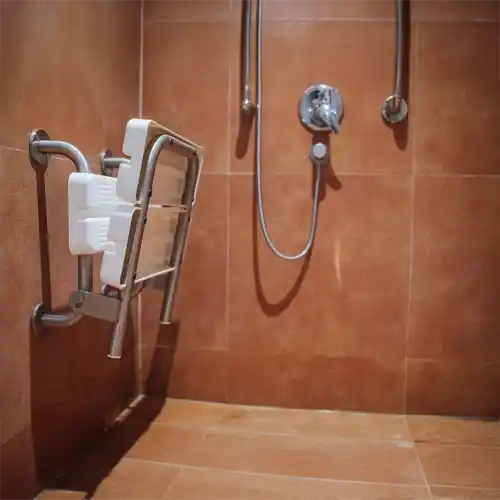

Where Biofilms Thrive
- Floors & Grout:
- Micro-textures and seams trap moisture, residues, and microbial films.
- Restrooms & Showers:
- Warm, humid conditions accelerate biofilm buildup on tile, grout, and wall-to-floor joints.
- Drains & Traps:
- A major reservoir for microorganisms; drain biofilms can aerosolize or migrate to adjacent surfaces.
- Wall-to-Floor Crevices:
- Limited reach and consistent moisture create protected microbial niches.
- Assisted Living Bathing Areas:
- Lotions, skin oils, and moisture feed film formation.
Why It Matters
- Harbor microorganisms of concern (Pseudomonas, Listeria, Staphylococcus, fungal species such as C. auris).
- Contribute to odors and reduce perceived cleanliness.
- Diminish the effectiveness of cleaning and disinfection steps.
- Spread contamination from drains through splash, aerosolization, or floor contact.
- Increase maintenance time and degrade surface materials.

Abradem®’s Advantage
The Biofilm Adhesion Disruptor
Abradem®’s biofilm adhesion disruptor works at the microscopic level to target the root cause of buildup, the molecular adhesion between biofilms and surfaces. When activated by low levels of hydrogen peroxide or compatible oxidizing chemistries, Abradem®’s patented micro-abrasives become self-propelled, allowing them to:
- Penetrate grout lines and textured flooring
- Reach wall-to-floor crevices
- Travel through drain traps and bends
- Lift hidden biofilm layers without abrasion or corrosive action
This precision mechanism improves cleanability, reduces odor-causing buildup, and supports safer environments for vulnerable populations.
Results:
- Cleaner, brighter, and safer floor and restroom surfaces
- Reduced drain-related contamination risks
- Lower odors and improved perception of cleanliness
- Reduced maintenance and improved long-term surface health
- Enhanced hygiene for patient and resident environments