

Pipes, Valves, & Tanks
The Hidden Challenge
Biofilms inside pipes and tanks are among the most difficult to manage. Within fluid systems, microorganisms attach to surfaces and form structured biofilms that resist chemical treatment, cause blockages, and degrade system performance.
Once established, these films protect resident microbes from disinfectants, allowing recolonization within hours.
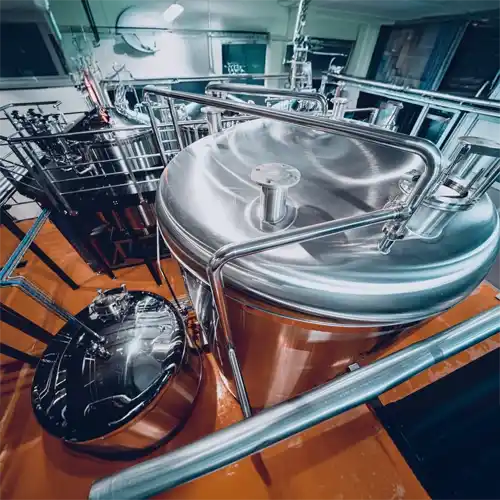

Where Biofilms Thrive
- Pipes & Tubing:
- Water and nutrient flow support continuous microbial growth.
- Valves & Junctions:
- Low-flow or stagnant zones where biofilms attach and spread.
- Clean In Place (CIP) Systems:
- Partial cleaning leaves residual layers that foster regrowth.
- Storage & Mixing Tanks:
- Condensation and nutrient deposition enable colony formation.
- Cooling & Humidification Loops:
- Temperature fluctuations and water films promote biofilm persistence.
Why It Matters
Biofilm accumulation in water and process systems can:
- Reduce flow efficiency and increase energy use.
- Harbor pathogens or spoilage organisms that contaminate products.
- Accelerate corrosion and material degradation.
- Compromise compliance with sanitation or water quality standards.

Abradem®’s Advantage
The Biofilm Adhesion Disruptor
Abradem®’s biofilm adhesion disruptor penetrates internal surfaces of pipes and tanks, loosening the molecular bonds that allow biofilms to cling.
Activated by low concentrations of hydrogen peroxide or compatible oxidizing chemistries, its patented micro-abrasives become self-propelled, traveling through the system to detach and disrupt biofilm residues from within.
Results:
- Cleaner, higher-performing systems.
- Improved water and product quality.
- Lower chemical and energy demand.