

Spa & Wellness
The Hidden Challenge
Beneath the tranquility of spas and wellness spaces lies an ongoing challenge: biofilms that form wherever warmth, moisture, and organic materials meet.
These microscopic layers develop on both wet and dry surfaces, trapping oils, lotions, and microorganisms that resist traditional cleaning. Biofilms are especially common in hydrotherapy tubs, steam rooms, saunas, showers, drains, and the nooks and wall-to-floor crevices where moisture collects.
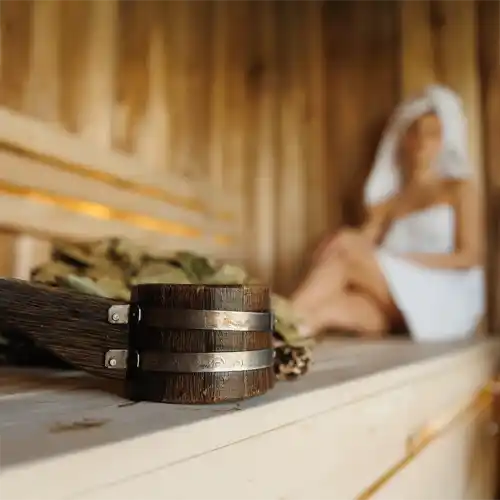

Where Biofilms Thrive
- Hydrotherapy & Whirlpool Tubs:
- Internal plumbing, jets, and channels that trap organic residue and moisture.
- Steam Rooms & Saunas:
- Surfaces exposed to condensation, oils, and organic deposits.
- Showers & Drains:
- Grout, tiles, and drain lines that retain warmth and moisture.
- Floors & Wall-to-Floor Crevices:
- Joints and transitions where water and residues settle, forming protected microenvironments for biofilms.
- Treatment Tables & Benches:
- Contact surfaces are exposed to skin oils, lotions, and perspiration.
- Touch Surfaces:
- Handles, controls, and fixtures are frequently exposed to moisture and contact residues.
Why It Matters
Even thin, invisible layers of biofilm can trap oils, residues, and microorganisms, diminishing the visual and hygienic integrity of spa spaces.
Unmanaged, biofilms can:
- Harbor microorganisms and contribute to odor.
- Cause discoloration and surface degradation over time.
- Reduce the effectiveness of standard cleaning practices.
- Increase maintenance demands and chemical use.
- Undermine the perception of wellness and cleanliness.

Abradem’s Advantage
The Biofilm Adhesion Disruptor
Abradem’s biofilm adhesion disruptor acts at the microscopic level to loosen the molecular bonds anchoring buildup to surfaces.
When activated by low levels of hydrogen peroxide or compatible oxidizing chemistries, Abradem’s patented micro-abrasives become self-propelled, penetrating and lifting biofilms even in tight crevices, grout lines, and wall-to-floor junctions where buildup is hardest to reach. The result is a cleaner, more naturally balanced environment without harsh friction or corrosive action.
Results:
- Cleaner, smoother surfaces and fixtures
- Improved appearance and guest confidence
- Reduced chemical and water demand
- Enhanced longevity of tile, stone, and finishes
- Supports a naturally balanced, restorative environment